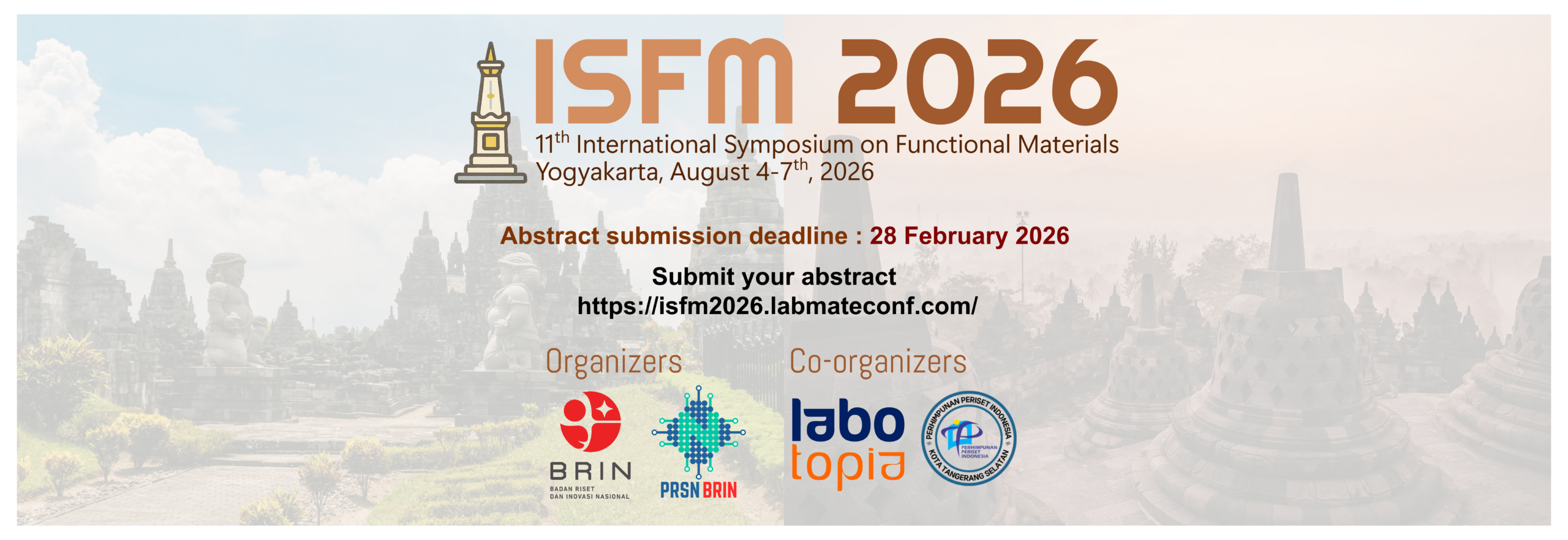
Advanced materials have witnessed a significant surge in demand across research, development, and practical applications. The International Symposium on Functional Materials (ISFM) is a biennial conference that provides a dynamic platform for sharing the latest innovations, breakthroughs, and emerging trends in multidisciplinary research on functional materials. The symposium emphasizes the integration of fundamental science with engineering applications and the commercialization of advanced materials.
ISFM brings together researchers, practitioners, and industry experts to foster collaboration and exchange ideas. Key topics include cutting-edge developments in material synthesis, characterization, and their real-world applications.
Following the successful ISFM 2024 held at Tohoku University in Sendai, Japan, the upcoming ISFM 2026 will take place in Yogyakarta, Indonesia, from August 4 to 7, 2026. As one of the historic royal capitals of Central Java, Yogyakarta boasts a rich cultural heritage shaped by royal legacy, colonial history, and vibrant Javanese traditions—making it an inspiring backdrop for this global scientific gathering.
On behalf of the organizing committee, it is our great pleasure to welcome you to the 11th International Symposium on Functional Materials (ISFM 2026), to be held from August 4th to 7th, 2026, in Yogyakarta, Indonesia.
Functional materials research continues to draw significant global interest due to its potential in developing nanostructured systems and its wide range of technological applications. Since its inception in 2005, the ISFM series has grown into a leading international forum, with successful editions held in Kuala Lumpur (Malaysia, 2005), Hangzhou (China, 2007), Jinju (Korea, 2009), Sendai (Japan, 2011), Perth (Australia, 2012), Singapore (2014), Changchun (China, 2016), Aachen (Germany, 2018), Hwaseong (Korea, 2021, Hybrid), and most recently, Sendai (Japan, 2024).
Building on the legacy of ISFM 2024, the ISFM 2026 symposium will continue to highlight cutting-edge research and development in key areas such as environmental materials, electronic materials, energy materials, biomedical materials, and other related functional materials. This event aims to bring together leading scientists, engineers, and researchers from around the world to share innovations, explore interdisciplinary collaborations, and bridge the gap between fundamental science, engineering applications, and commercial viability.
We are confident that your participation and contributions will enrich the scientific discussions and inspire future advancements. We also hope you will enjoy the vibrant culture, historical richness, and warm hospitality of Yogyakarta, one of the royal capitals in Java.
We look forward to welcoming you to ISFM 2026!
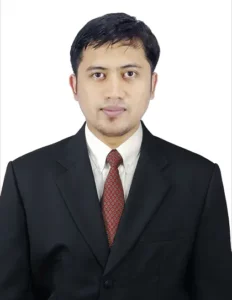
Angga Hermawan
Conference Chair of ISFM 2026
Symposium Chair
1. Angga Hermawan, Ph. D. (BRIN, Indonesia)
International Advisory Committee
1. Prof. Shu Yin, Tohoku University, Japan
2. Prof. Tohru Sekino, Osaka University, Japan
3. Dr. Yamato Hayashi, Tohoku University, Japan
4. Dr. Li Lu, NUS, Singapore
5. Prof. Wenbing Cao, USTB, China
6. Prof. Sanjay Mathur, Univ. Cologne, Germany
7. Prof. S.W. Lee, Sunmoon Univ. South Korea
8. Prof. Ratno Nuryadi, BRIN, Indonesia
9. Dr. Murni Handayani, BRIN, Indonesia
10. Prof. Rike Yudianti, BRIN, Indonesia
11. Prof. Andri Hardiansyah, BRIN, Indonesia
12. Prof. Masato Kakihana, Osaka University, Japan
13. Prof. Dongfeng Xue, SIAS, UESTC, China
14. Dr. Pongtanawat Khemtong, Nanotec, Thailand
15. Dr. Mehmood Shahid, Mohammed VI Polytechnic University, Morroco
16. Dr. Mathieu Prevot, CNRS IRCELyon, France
17. Dr. Stephan N Steinmann, ENS de Lyon, France
18. Prof. Jin-Hyo Boo, Sungkyunkwan University, South Korea
19. Prof. Mitsunobu Sato, Kogakuin University of Technology and Engineering, Japan
20. Prof. Tadachika Nakayama, Nagaoka Univ. Tech., Japan
21. Assoc. Prof. Yusuke Asakura, Nagoya University, Japan
22. Prof. Tae-hyun Nam, Gyeongsang National University
23. Prof. Masato Kakihana, Osaka University, Japan
24. Prof. Tadachika Nakayama, Nagaoka University of Technology, Japan
25. Prof. Sridhar Komarneni, Pennsylvania State University, U.S.A.
26. Prof. Tetsuya Kida, Kumamoto University, Japan
27. Assoc. Prof. Lydia Helena Wong, Nanyang Technological University, Singapore
28. Prof. Chang-Lyoul Lee, Gwangju Insitute of Science and Technology, South Korea
Scientific Committee
Chief Editor:
Dr. Ni Luh Wulan Septiani, BRIN, Indonesia
Co-Editor:
Dr. Muqoyyanah, BRIN, Indonesia
Members:
1. Prof. Uyi Sulaeman, UNSOED, Indonesia
2. Dr. Anung Riapanitra, UNSOED, Indonesia
3. Dr. Murni Handayani, BRIN, Indonesia
4. Dr. Ferry Anggoro Ardy Nugroho, University of Indonesia
5. Dr. Munawar Khalil, University of Indonesia
6. Dr. Ardiansyah Taufik, Tohoku University
7. Dr. Tahta Amrillah, UNAIR, Indonesia
8. Dr. Indri Badria Adilina, BRIN, Indonesia
9. Dr. Yuliati Herbani, BRIN, Indonesia
10. Prof. Kwon-Koo Cho, Gyeongsang National University, South Korea
11. Assoc. Prof. Miki Inada, Kyushu University, Japan
12. Assoc. Prof. Xiaoyong Wu, Wuhan University of Technology, China
13. Assist. Prof. Zhihuan Zhao, Taiyuan University of Technology, China
14. M.K. Devaraju, University of South Australia, Australia
15. Dr. Helena Wang, University of Melbourne, Australia
Executive Committee
Secretary:
- Yasni Novi Hendri, BRIN, Indonesia
- Ria Desiriani, BRIN, Indonesia
Treasury:
- Ratih Lestari, BRIN, Indonesia
- Astri Lidiawati, Institut Teknologi Bandung, Indonesia
- Shafira Ramadhani, BRIN, Indonesia
Event and Excursion:
- Khusnul Khatimah, BRIN, Indonesia
- Chandra Wulandari, Institut Teknologi Bandung, Indonesia
- Yosephin Dewiani Rahmayanti, BRIN, Indonesia
- Satrio Kuntolaksono, BRIN, Indonesia
- Witha Berlian Kusuma Putri, BRIN, Indonesia
Logistic and Transportation:
- Gerald Ensang Timuda, BRIN, Indonesia
- Atqiya Muslihati, Institut Teknologi Bandung, Indonesia
- Demas Aji, BRIN, Indonesia
- Ahmad Fauzi, BRIN, Indonesia
- Badrut Tamam Ibnu Ali, BRIN, Indonesia
Website and Publications:
- Fadlan Raihan, Institut Teknologi Bandung, Indonesia
Sponsorship:
- Yuyun Irmawati, BRIN, Indonesia
- Fredina Destyorini, BRIN, Indonesia
- Riesca Ayu Kusuma Wardhani, BRIN, Indonesia
Media and Documentation:
- Vinda Zakiyatuz Zulfa, BRIN, Indonesia
- Julia Angel, BRIN, Indonesia
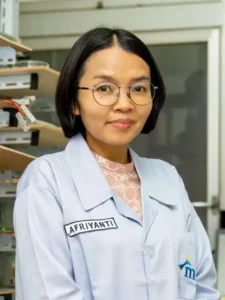
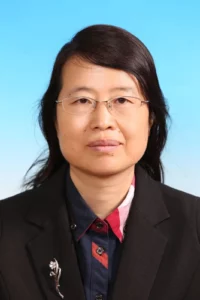
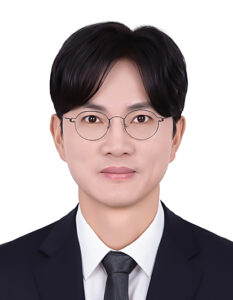
Prof. Shu Yin
IMRAM, Tohoku University, Japan
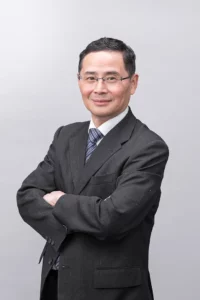
Prof. Shu Yin is a distinguished inorganic materials chemist at the Institute of Multidisciplinary Research for Advanced Materials (IMRAM), Tohoku University, Japan. He earned his B.S. in inorganic chemical engineering from Dalian University of Technology in 1987, followed by an M.S. in chemical metallurgy from the Chinese Academy of Sciences in 1990. He subsequently joined the Institute of Chemical Metallurgy as a research associate, before moving to Japan for postdoctoral work (1992) in hydrothermal chemistry at Kochi University. From 1995 to 1997 he served as a research assistant in Prof. T. Sato’s group, Institute for Chemical Reaction Science (ICRS), Tohoku University. He obtained his Ph.D. in Applied Chemistry from Tohoku University in 1999. After completing his doctorate, Prof. Yin rose through academic ranks at IMRAM: lecturer, associate professor (2005), and full professor since April 2016. He is also affiliated with WPI‐AIMR as a collaborative professor since mid‐2022. His research spans synthesis and morphological control of nanostructured inorganic materials, photocatalysis, UV‐/IR‐shielding “smart window” materials, two‐dimensional gas‐sensing materials, hydrothermal/solvothermal and “soft” chemical methods. Prof. Yin has published hundreds of papers (many high‐impact), is inventor on multiple patents, and has been honored with several awards including the Harada Award, awards from the Ceramics Society of Japan and Rare Earth Resource Utilization Awards among others.
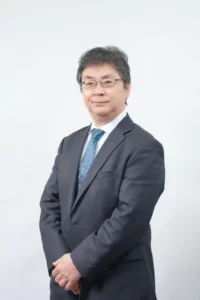
Prof. Tae-Woo Lee
Department of Materials Science and Engineering at Seoul National University, South Korea
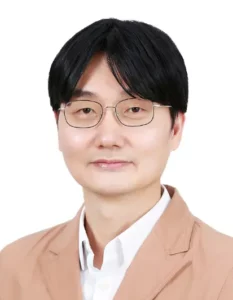
Prof. Tae-Woo Lee is a professor in the Department of Materials Science and Engineering at Seoul National University, Korea. He received his Ph.D. in Chemical Engineering from KAIST in 2002 and conducted postdoctoral research at Bell Laboratories, Lucent Technologies, USA. He later worked at Samsung Advanced Institute of Technology and served as a faculty member at POSTECH until 2016. His research focuses on organic semiconductors, metal halide perovskites, and carbon-based materials for applications in displays, bioelectronics, neuromorphic devices, and energy conversion systems. He has published over 310 peer-reviewed papers in top-tier journals such as Science, Nature, Nature Photonics, Nature Nanotechnology, and Advanced Materials. He is also the inventor or co-inventor of more than 440 patents. Prof. Lee has received numerous honors, including the Merck Award, the Korea Young Scientist Award (Presidential Award), the Korean Engineering Award, and the Kyung-Ahm Prize. He was named a Fellow of the Korean Academy of Science and Technology in 2021, a Fellow of the Materials Research Society in 2020, and a Fellow of SPIE in 2024. He currently serves on the editorial boards of several journals, including Advanced Materials, EcoMat, Chem & Bio Engineering, and Organic Electronics.
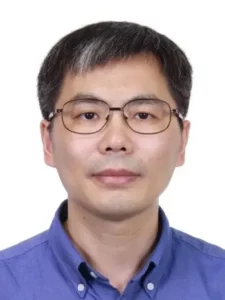
Prof. Dr. Eng. Kuwat Triyana, M.Si
Universitas Gadjah Mada, Indonesia
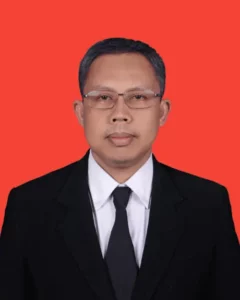
Prof. Dr. Eng. Kuwat Triyana, M.Si is a leading Indonesian physicist and inventor, based in the Department of Physics, Faculty of Mathematics and Natural Sciences (FMIPA), Universitas Gadjah Mada (UGM). His educational background includes a Bachelor’s degree in Physics from UGM (1986–1991), followed by a Master’s from Institut Teknologi Bandung (1995–1997), and he completed his Ph.D. (2001–2004) at Kyushu University, Japan. Since joining UGM as a lecturer, Prof. Triyana has developed strong expertise in materials physics, instrumentation, and sensor technologies. His research interests span electronic nose (e-nose) and electronic tongue systems, artificial intelligence-based sensor systems, nanomaterials, and thin film technologies. One of his most notable achievements is leading the development of GeNose, a rapid COVID-19 detection device based on exhaled breath, capable of delivering results in under two minutes. He has also developed the Elto electronic tongue for assessing authenticity and quality of products (e.g. halal products, food), and other innovations including nanofiber against smoke/bacteria masks. In October 2023, he was formally appointed as Guru Besar (full professor) in the field of Physics at FMIPA UGM. He also serves as Dean of FMIPA UGM. His work combines fundamental research, applied sensor development, and translation of innovations toward societal benefit, particularly in health diagnostics, food safety, and halal authentication.
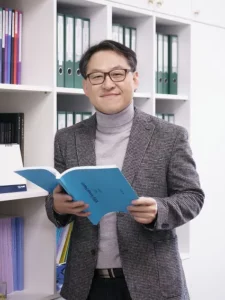
Assoc. Prof. Stefan Adam
National University of Singapore, Singapore
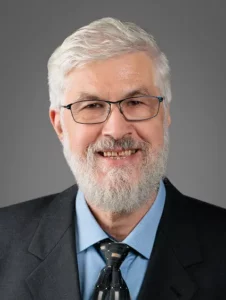
After his Ph.D. from Saarbrücken / Germany, Stefan Adams worked at the Max-Planck Institute for Solid State Research in Stuttgart and habilitated from Göttingen University before joining National University of Singapore in 2005, where he is Assoc. Professor for Materials Science and Engineering. There, his research focuses on the rational design of inorganic materials and interfaces with optimal transport properties for advanced energy storage and conversion devices. To this end his group combines electrochemical, diffraction and NMR experiments with high-throughput computational design. The electrolytes designed in the group are also integrated into high energy density solid state batteries by a start-up company cofounded by him. Adams also serves as Vice-President of the Materials Research Society of Singapore, has been Secretary of the Asian Society for Solid State Ionics and is member of the editorial boards of several related journals including Solid State Ionics, Int. Journal for Ionics and Batteries.
Prof. Hsu-Wei Fang
National Taipei University of Technology, Taiwan
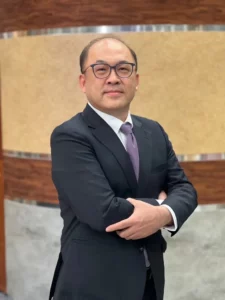 Prof. Hsu-Wei Fang is a professor of chemical engineering and biotechnology at National Taipei University of Technology. He is also a joint appointed researcher at National Health Research Institutes of Taiwan. Prof. Fang’s research interests and expertise are biotribology and biomaterials. Prof. Fang has many experience in executing big projects, including Technology Development Program for Academia (Ministy of Economic Affairs), Taiwan Germination Program (National Science and Technology Council), The Academia-Industry Research Center Program (National Science and Technology Council), and The Featured Areas Research Center Program (Ministry of Education). Prof. Fang not only obtained finicial support by government agencies, but also developed several noval technologies and spinned-off two companies. He is dedicated to the rapid commercialization of medical devices and building up the ecosystem of the innovative biotechnologies. He is the founder of Biotegy corporation and the co-founder of the CK seed angel fund. Prof. Fang is focusing on market-demand oriented research activities. By further integration of research institutes, manufacturers, and market distributers, the rapid commercialization of innovative smart medical devices is anticipated, thereby improving the competitiveness of Taiwanese biomedical industries..
Prof. Dongfeng Xue*
Shenzhen Institute for Advanced Study, University of Electronic Science and Technology, China
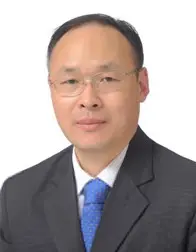
Prof. Dongfeng Xue is a a prominent Chinese inorganic materials chemist specializing in multiscale crystallization and functional inorganic materials, currently serving as Professor and Director of the Multiscale Crystal Materials Research Center at the Shenzhen Institutes of Advanced Technology / Shenzhen Institute for Advanced Study, under the University of Electronic Science and Technology of China. He received his B.E. in Applied Chemistry from Henan University (1993) and his Ph.D. in Inorganic Chemistry from the Changchun Institute of Applied Chemistry, Chinese Academy of Sciences in 1998. Following his doctorate, he conducted postdoctoral research as an Alexander von Humboldt fellow in Germany, at the University of Ottawa in Canada, and at the National Institute for Materials Science in Tsukuba, Japan. From 2001, Prof. Xue became full professor at Dalian University of Technology. In 2011 he joined the Changchun Institute of Applied Chemistry to direct work in materials chemistry and rare‐earth resource utilization. Later, in 2020, he took a professorship at Shandong University, before moving to his leadership role in Shenzhen in 2021. His research covers crystallization physics and chemistry of inorganic materials, novel synthetic strategies, simulation and computational design of functional materials, particularly for energy, optical, and environmental applications. He has published over 500 (some sources say ~600) peer‐reviewed papers, holds many patents, and is a Fellow of the Royal Society of Chemistry and a Corresponding Member of the European Academy of Arts, Sciences and Humanities.
Invited Speakers
1. Prof. Uyi Sulaeman – Universitas Jendral Soedirman (UNSOED), Indonesia
2. Prof. Jae Su Yu – KyungHee University, South Korea
3. Prof. Chang-Lyoul Lee – GIST, South Korea
4. Dr. Nan Ei Yu* – GIST, South Korea
5. Prof. Dae Joon Kang – Sungkyunkwan University, South Korea
6. Prof. Andri Hardiansyah – PRSN BRIN, Indonesia
7. Dr. Munawar Khalil – Universitas Indonesia Indonesia
8. Prof. Ryo Maezono – Institute of Science Tokyo, Japan
9. Dr. Tahta Amrillah – Universitas Airlangga, Indonesia
10. Dr. Ganes Shukri – Institut Teknologi Bandung, Indonesia
11. Dr. Youngmin Ko – Sungkyunkwan University, South Korea
12. Dr. Eng. Muhammad Iqbal, S.T., M.T. – Institut Teknologi Bandung, Indonesia
13. Dr. Grasianto – Institut Teknologi Sepuluh November, Indonesia
14. Dr. Ali Abdulmageed*, LiKAT, Germany
Conference Topics
We welcome abstract submission from the following topics, but not limited to:
1. Ferroelectric and multiferroic materials
2. Ferromagnetic materials
3. Energy harvesting and storage materials
4. Magneto-optical materials
5. Opto-electronic materials
6. Shape memory materials
7. Thermoelectric materials
8. Sensor materials
9. Photocatalysis materials
10. Luminescent materials
11. Nano structures and low-dimensional materials
12. Machine learning, modeling, and computational design of functional materials
13. Novel applications of functional materials
14. Measurement and characterization
15. Novel synthesis and processing processes
16. Functional thin films
17. Biomaterials
Journal Publications
Participants who will present their work at ISFM 2026 are encouraged to submit full manuscripts to Solid State Science, IJMMM, and Advanced Powder Technology after submitting their abstracts to the conference system. Please carefully review the author’s guidelines on the respective journal websites to prepare your manuscript. Submissions must be made directly through the journal submission portals. Importantly, your Cover Letter must clearly state that the work was originally presented at ISFM 2026. Manuscripts may be submitted after the conclusion of the conference. The final deadline for submission is approximately 2 months after the conference.
Selected papers will be considered for publication in special issues of the following journals
- Solid State Science (Q1, IF 3.3)
- International Journal of Minerals, Metallurgy and Materials (IJMMM) (Q1, IF 7.2)
- Advanced Powder Technology (Q1, IF 4.2)

Note: All submissions to these special issues will undergo a standard peer-review process. Publication is not guaranteed, as acceptance will depend on the quality, originality, and relevance of the manuscript to the scope of the selected journal.
Abstract Submission
All papers must be original, only English written papers are accepted, which is NOT simultaneously submitted/published/under consideration anywhere in other conferences/journals.
Abstract-only submission (required for initial acceptance):
Please download the abstract template of ISFM 2026 here.
Full paper / Journal submission (optional, post-conference):
Authors of accepted abstracts are encouraged to submit full manuscripts to partner journals after the conference.
Submission system:
Upload abstracts via the conference submission portal (sign-in required).
Review process and notification
All abstracts will be reviewed by the Program Committee for scientific quality, originality, clarity, and relevance to the conference scope
Presentation formats and guidelines
Oral presentations:
Typical slot: 15 minutes presentation + 5 minutes Q&A (final durations will be provided in the program schedule).
File format for slides: PDF or PowerPoint (.ppt/.pptx). Bring a copy on a USB drive and upload to the session computer if requested.
Poster presentations:
Poster display: portrait orientation recommended.
Suggested size: A0 (84.1 × 118.9 cm) or local equivalent — check final poster instructions on the conference website.
Registration Fee
| Participant Category | Early Bird Payment* | Normal Payment* | ||
|---|---|---|---|---|
| International | Domestic | International | Domestic | |
| Professional | 550 USD | 3,500,000 IDR | 650 USD | 4,000,000 IDR |
| Student** | 300 USD | 2,000,000 IDR | 400 USD | 2,500,000 IDR |
| Attendee/Accompanying Person | 200 USD | 2,000,000 IDR | 250 USD | 2,500,000 IDR |
| Additional Abstract | 100 USD | 1,000,000 IDR | 150 USD | 1,500,000 IDR |
Notes:
Early bird payment: Before April 30th, 2026
Normal payment: After April 30th, 2026
Benefit:
(i) Access to opening and closing ceremony including conference banquet
(ii) 2-refreshment break and 1-lunch per day
(iii) Access to all 10 scientific sessions
(iv) Conference kit and e-certificate
*The registration fee does not include accommodation, local transportation excursions, or publication fees
**Full-time students must upload a scanned copy of their student ID (both sides) or a letter from their advisor when registering.
***Please note that presentation slots are assigned by the session chair; you may not be able to select your preferred day.
Yogyakarta City, Indonesia
The Alana Hotel and Convention Center
Jalan Palagan Tentara Pelajar KM 7 Sleman Yogyakarta 55581, Indonesia
Conveniently located along one of Yogyakarta’s main thoroughfares, The Alana Hotel and Convention Center is just minutes away from shopping centers, universities, and key cultural attractions. It is also strategically situated between the city center, train station, and Yogyakarta International Airport (YIA) and Adisucipto Airport (JOG), making it highly accessible for both international and domestic participants.
This four-star hotel offers modern conference facilities, A spacious ballroom and multiple function rooms suitable for conferences, seminars, and exhibitions, advanced audiovisual equipment and high-speed internet access. Guests can also enjoy well-appointed rooms, a fitness center, swimming pool, spa services, and dining outlets, making The Alana Hotel and Convention Center an ideal venue for both business and leisure stays. The hotel also provides airport shuttle options, making it a convenient and comfortable choice for conference attendees.
Access to Yogyakarta
Yogyakarta is served by two airports:
1. Yogyakarta International Airport (YIA) – Kulon Progo, ~45 km from city center
This is the main international gateway to Yogyakarta and serves numerous international and domestic flights, including direct connections to major hubs such as Jakarta, Singapore, Kuala Lumpur, Bali, and Surabaya.
Transportation Options from YIA to Eastparc Hotel:
Airport Rail Link (YIA Railink)
The fastest public transport option. The airport train departs directly from YIA to Yogyakarta Tugu Station in approximately 40 minutes. From there, you can reach The Alana Hotel and Convention Center in about 15–20 minutes by taxi or ride-hailing services.Airport Shuttle Buses (DAMRI / SatelQu / Joglosemar)
These reliable buses offer transfers from YIA to various city points, including hotels and tourist areas. You can get off near the hotel or at a central hub and continue the journey by taxi or app-based transport (Grab, Gojek). Total travel time is around 60–75 minutes.Private Car / Ride-Hailing (Grab, Gojek)
Convenient and direct. Rides from YIA to Eastparc Hotel typically take 45–60 minutes, depending on traffic. Prices range from IDR 200,000 to 300,000. Private shuttle bookings through travel platforms like Jayride or Traveloka are also available.
2. Adisucipto International Airport (JOG) – Within the city, ~10 km from venue
Although it now serves limited flights, Adisucipto Airport is still active for domestic routes from Jakarta, Bali, and Surabaya. It’s located only 10-30 minutes from The Alana Hotel and Conventional Center.
Transportation Options from JOG:
Taxi or Ride-Hailing Services
The most direct method; travel time is less than 10 minutes. Fares range from IDR 100,000 to 150,000.
Train Access: Jakarta (Gambir) → Yogyakarta (Tugu)
For participants flying into Jakarta who prefer a land-based route, the train from Gambir Station (Jakarta) to Yogyakarta Tugu Station presents a reliable and comfortable option. The journey spans approximately 6 hours, with several departures throughout the day.
Options include Economy, Executive, and the premium Luxury Class (e.g., Taksaka Luxury), offering superior comfort, onboard meals, entertainment, and spacious seating.
Daytime departures offer scenic views of Java’s verdant countryside, while evening and night trains suit those aiming to travel overnight. We recommend arriving at Gambir Station at least 30 minutes before departure, especially if collecting tickets or upgrading.
Once in Yogyakarta, the The Alana Hotel and Convention Center—conference venue—is easily accessible by taxi or online taxi from Tugu Station.
Local Transportation in Yogyakarta
Yogyakarta is a compact and well-connected city. During your stay, you can easily navigate using:
Trans Jogja BRT System – Safe, clean, and affordable buses that cover most of the city and tourist areas.
Online Ride-Hailing Apps – Grab and Gojek are widely used for cars (GrabCar, GoCar) and motorcycles (GrabBike, GoRide).
Taxis and Private Cars – Available through hotel concierge or directly at taxi stands.
Hotel Shuttle – Eastparc Hotel offers limited shuttle services to select city destinations (check with hotel for schedule).
Accommodation Options
The Alana Yogyakarta Hotel and Convention Center is the official conference venue and recommended accommodation, offering both luxury and convenience. Staying at the venue ensures easy access to all symposium sessions, networking activities, and meals. Rooms should be booked early due to expected high demand.
Hotel Features:
4-star rating with spacious rooms
On-site restaurants and cafés
Fitness center and pool
Airport shuttle service (on request)
High-speed Wi-Fi
Website for direct booking:
https://www.alanahotels.com/en/hotel/view/3/the-alana-yogyakarta-hotel—convention-center
Alternative Hotels Nearby:
Should you prefer different accommodations, there are several excellent hotels within 5–15 minutes of the venue, suitable for a variety of budgets:
- Hyatt Regency Yogyakarta – A highly rated five-star hotel just minutes from The Alana, with stylish rooms, golf facilities, pool, and extensive dining options — great for guests wanting more luxury.
La Luna Resort Yogyakarta – Resort-style accommodations in a green setting along Palagan. Ideal if you prefer a more relaxed vibe.
- Kinaralana Boutique Hotel – A well-reviewed boutique option nearby with a peaceful atmosphere and personalized service.
- Sofia Boutique Residence – Stylish boutique hotel with modern rooms and good guest reviews; great for leisure or business travelers.
- The New Atrium Hotel Yogyakarta – Well-rated, good mid-budget choice with modern facilities and easy access to local dining and shopping
- PALAGAN HUIS – Affordable, cozy hotel with great guest ratings — excellent for budget-conscious travelers.
- etc.
Online Booking Platforms:
Should you require assistance in booking accommodations, arranging airport pickups, or group rates for your institution, please do not hesitate to contact the ISFM 2026 secretariat. Early planning is recommended due to peak travel seasons and high demand in Yogyakarta.
Research Center for Nanotechnology System
Research Organization for Nanotechnology and Materials
National Research and Innovation Agency of Indonesia (BRIN)
Gedung 720, KST B.J. Habibie,
e-mail: isfm@brin.go.id
phone-number: +62-812-1130-7782
instagram: @prsnbrin